Myopia Management
Is Your Child’s Myopia Worsening?
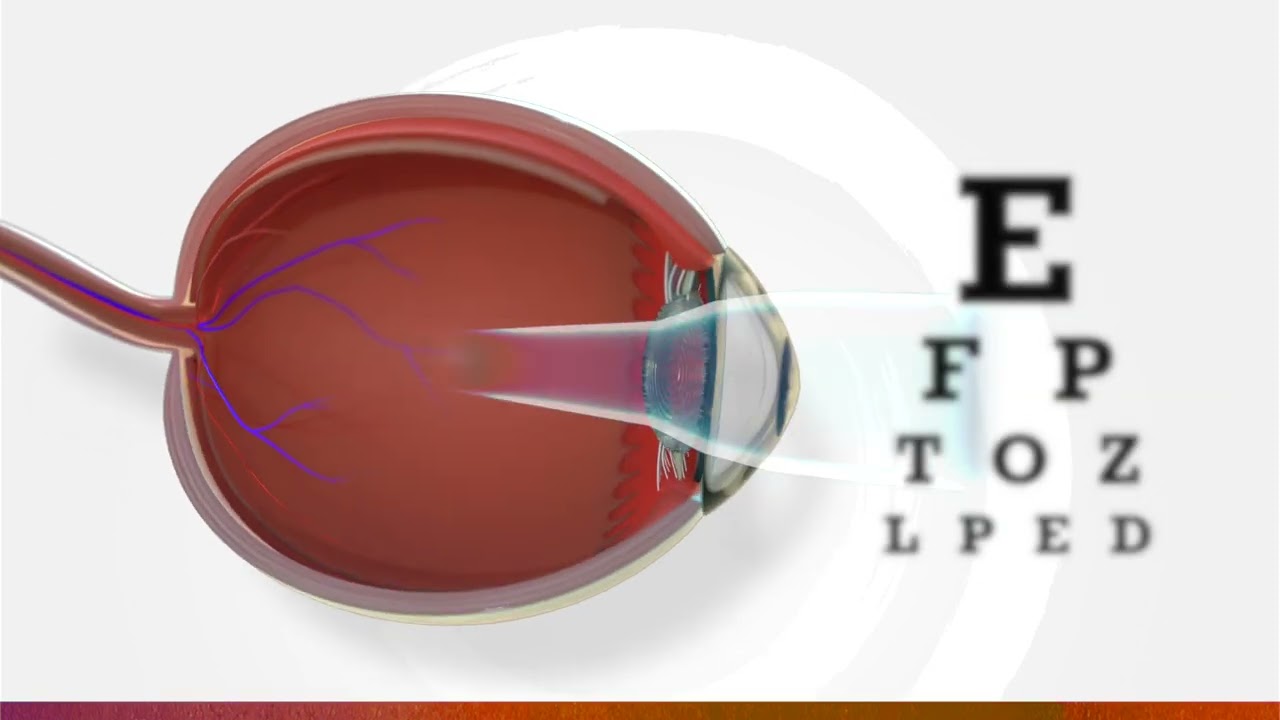
Myopia, also known as nearsightedness, is a chronic, progressive eye disease due to elongated growth of the eyeball. When light enters a myopic eye, it falls in front of the retina rather than directly on the retina, causing blurry distance vision – making it difficult to see road signs, the television, or a clock on the wall. Myopia affects up to 40% of people by age 17.
What Causes Myopia?
Mild myopia typically starts in childhood and often progresses to moderate or even high levels without intervention. Factors contributing to progressive growth of the eye include:
GENETICS – If one parent is myopic, there is a 3x risk the child will also develop myopia. If both parents are myopic, the child’s risk doubles to 6x.
ENVIRONMENTAL – Lack of outdoor time and reduced sunlight exposure is linked to eye elongation.
NEAR POINT DEMAND – Excessive reading and digital screen time also drive the growth of the eye.
As the level of myopia increases with elongated eye growth, the risk of serious eye disease also increases. Potential complications include retina holes, tears, detachments, maculopathy, and glaucoma.
How Can We Slow the Progression?
Stellest Glasses – the ONLY FDA-authorized glasses shown to slow myopia progression by avg 71%
MiSight Contact Lenses – the ONLY FDA-approved contact lenses shown to slow myopia by avg 59%
Atropine Eye Drops – off-label therapy, may slow progression by 50-60%